The Sandwich Generation: When You’re Raising Kids and Caring for Aging Parents
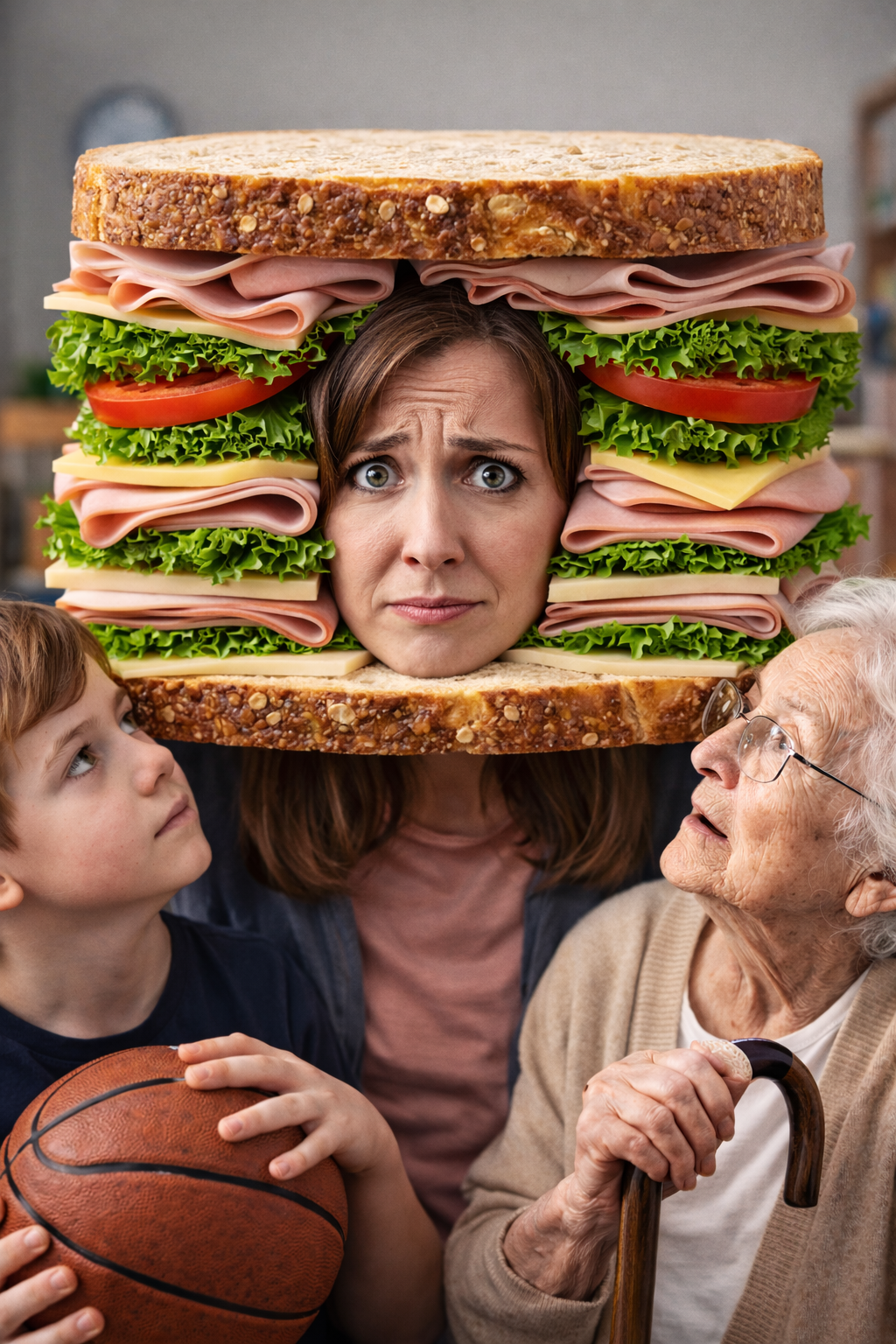
If you’re raising children while also caring for aging parents, you’re living in a season that few people truly understand until they’re in it.
Your days are filled with school drop-offs, practices, meals, and homework — while your phone also holds reminders for doctor appointments, medication refills, and “just checking in” calls to Mom or Dad. Somewhere in the middle of it all, you’re trying to hold everything together.
This is the sandwich generation — loving two generations at once, often while quietly putting yourself last.
Many of the families I work with tell me the same thing “I just want my parent to stay safe and independent at home… and I don’t know how long I can keep doing this on my own.”
That’s where mobile outpatient physical therapy can truly help.
Independence Isn’t Just Physical — It’s Emotional
For aging parents, independence means dignity. It means staying in the home they love. It means not feeling like a burden on their children.
For caregivers, independence means peace of mind.
When balance declines or walking becomes unsteady, even simple daily tasks can feel risky. That’s when the worry starts:
- What if they fall while I’m not there?
- Is it time for more help?
- Am I waiting too long to step in?
In-home physical therapy focuses on keeping aging parents safe, mobile, and confident — often allowing them to age in place longer and reducing emergency situations.
Why Mobile Outpatient Physical Therapy Makes Sense
Getting an aging parent to appointments can feel like a full-time job. Coordinating schedules, transportation, mobility concerns — it’s a lot.
With physical therapy at home, the care comes to them.
Mobile outpatient physical therapy allows treatment to happen in the environment where your parent actually lives. This means therapy is practical, relevant, and immediately applicable to daily life — from getting out of bed to safely navigating the bathroom.
And for caregivers? No driving. No waiting rooms. No added stress.
How Physical Therapy Helps Aging Parents Stay Independent
Building Strength, Balance, and Confidence
As we age, muscle strength and balance naturally decline. Physical therapy for seniors focuses on:
- Fall prevention for older adults
- Improving walking and endurance
- Safe transfers (bed, chair, toilet, car)
- Stair safety and confidence
Often, even small improvements make a huge difference in safety and independence.
Home Safety Assessments: Seeing the Risks You Can’t Always See
One of the biggest benefits of in-home physical therapy is the home safety assessment.
A physical therapist evaluates the home through a safety lens — identifying fall risks that family members often overlook simply because they’ve grown used to the environment.
Common recommendations may include:
- Removing throw rugs or clutter
- Improving lighting in hallways and stairs
- Adjusting furniture height
- Bathroom safety modifications
- Rearranging commonly used items
These changes can dramatically reduce fall risk and caregiver anxiety.
Assistive Equipment That Supports Independence
Using assistive equipment doesn’t mean “giving up.” It means choosing safety and independence.
Physical therapists help recommend and fit the right tools at the right time, such as:
- Canes or walkers
- Shower chairs or tub benches
- Grab bars and raised toilet seats
- Bed mobility aids
When equipment is introduced correctly, it often restores confidence — not takes it away.
Supporting the Caregiver Matters, Too
Caregivers are often helping with transfers and mobility without any training, leading to back pain, injuries, and burnout.
Mobile outpatient physical therapy includes education for caregivers on:
- Safe lifting and transfers
- Proper body mechanics
- Knowing when to assist and when to step back
Protecting you is just as important as helping your parent.
Don’t Wait for a Crisis
Many families don’t seek physical therapy until after a fall or hospitalization. But physical therapy is most effective when it’s proactive.
Starting early can:
- Reduce fall risk
- Slow functional decline
- Support aging in place
- Delay the need for assisted living or higher levels of care
Most importantly, it creates a plan — instead of reacting to emergencies.
You’re Doing the Best You Can
If you’re part of the sandwich generation, please hear this: You are doing a lot. And you don’t have to do it alone.
Please reach out to Always In Motion Physical Therapy & Wellness and find out how we can help you and your loved one. 919-533-6484
#PhysicalTherapy #MobilePT #InHomePhysicalTherapy #CaregiverLife #SandwichGeneration #WorkingMom #TakingCareOfFamily